
Open-field and perennial production
Fields, blocks, parcels, rows, seasonal work, crop observations, treatments, harvest, and multi-season history.
Gros.farm sector solutions
The operating unit changes from a greenhouse block to an orchard row, a mushroom room, or a vertical-farm tier. Gros.farm keeps the same connected foundation while adapting the production context to each sector.
Choose your production system
Each solution below uses the new Gros.farm product foundation, but the language, operating units, crop stages, work, and result follow the actual sector.
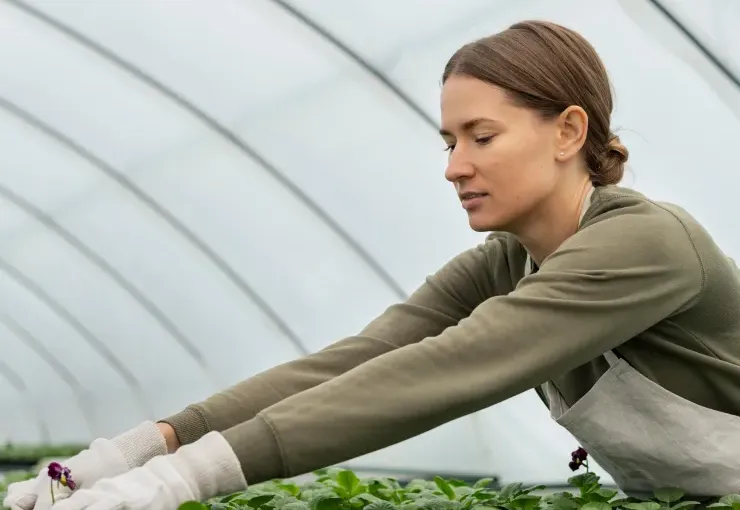
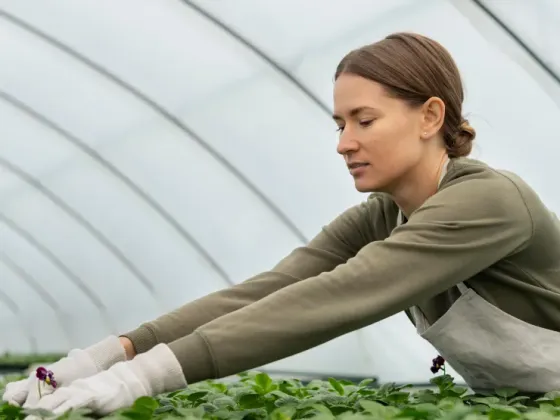
Connect crop stages, climate targets, irrigation, crop work, observations, and harvest results by greenhouse block.
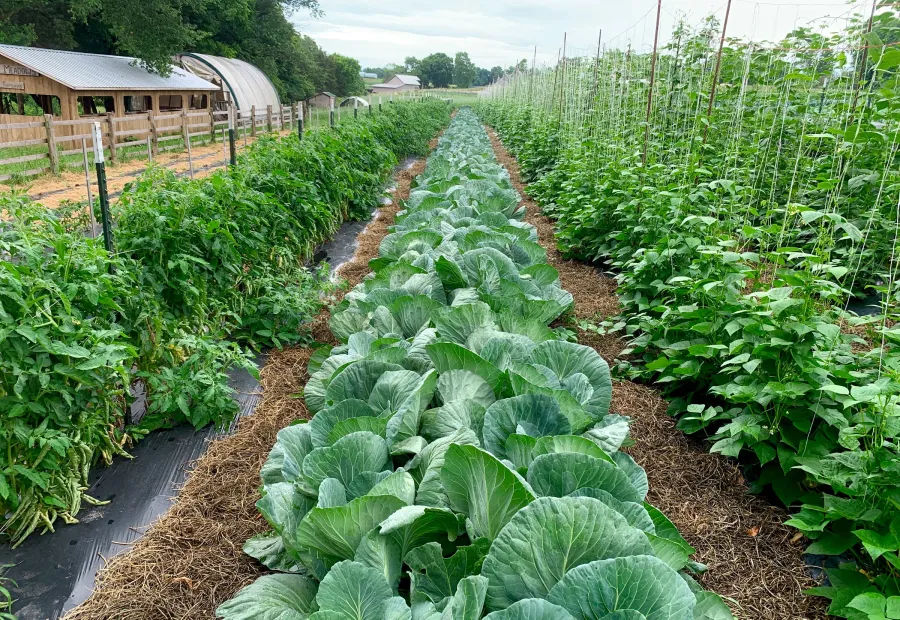
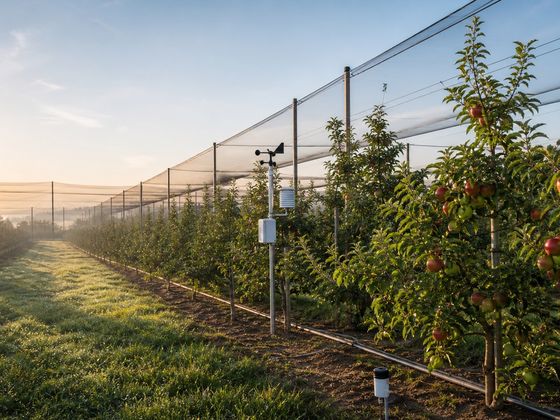
Coordinate fields, crop plans, weather-sensitive work, crop protection records, harvest waves, and field results.
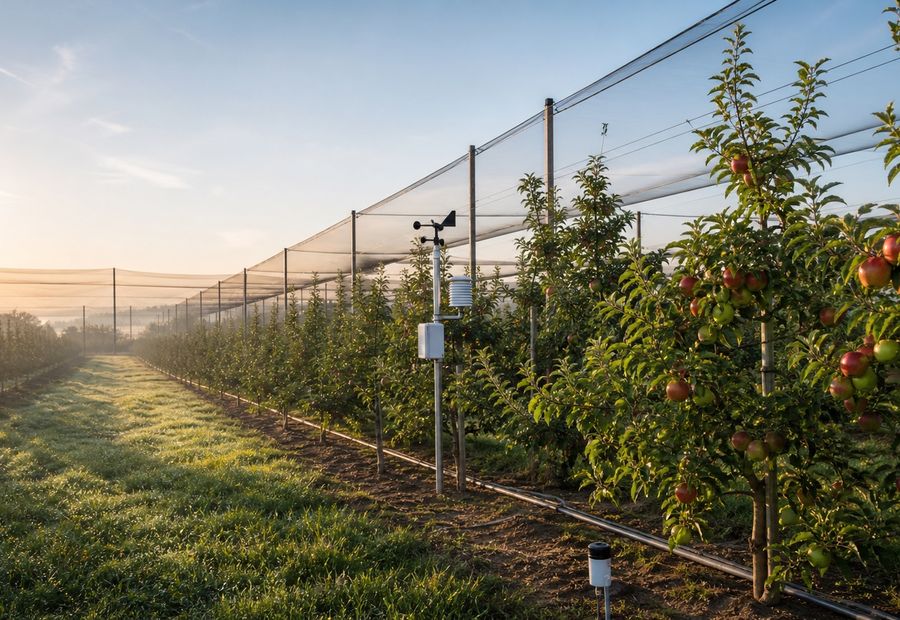
Keep blocks, rows, varieties, phenology, scouting, crop protection, irrigation work, yield, and quality in one perennial history.
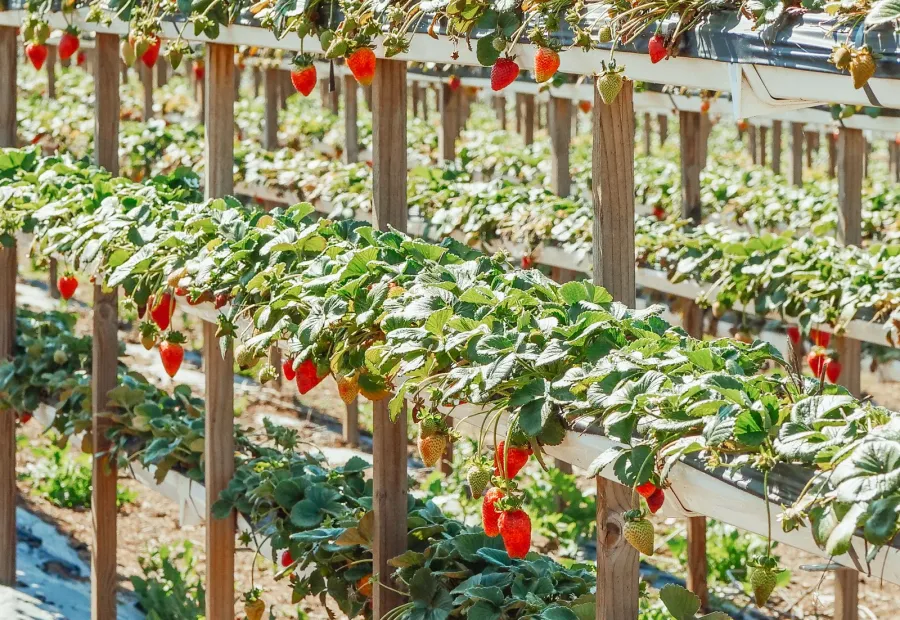
Manage berry varieties, crop cycles, harvest waves, quality, tasks, and observations across different production formats.
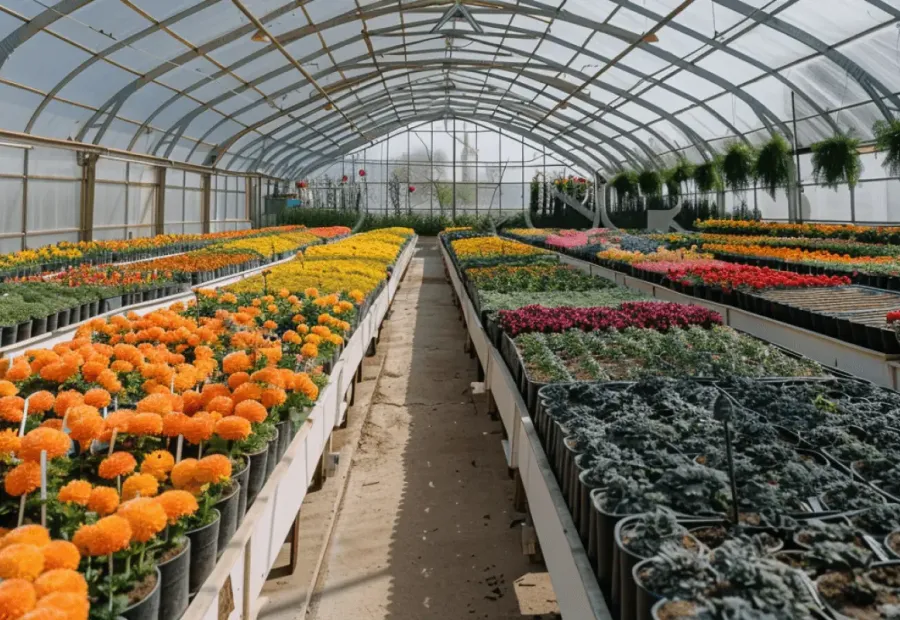
Track plant lots, provenance, locations, transplants, recurring care, grading, losses, and readiness for sale or transfer.
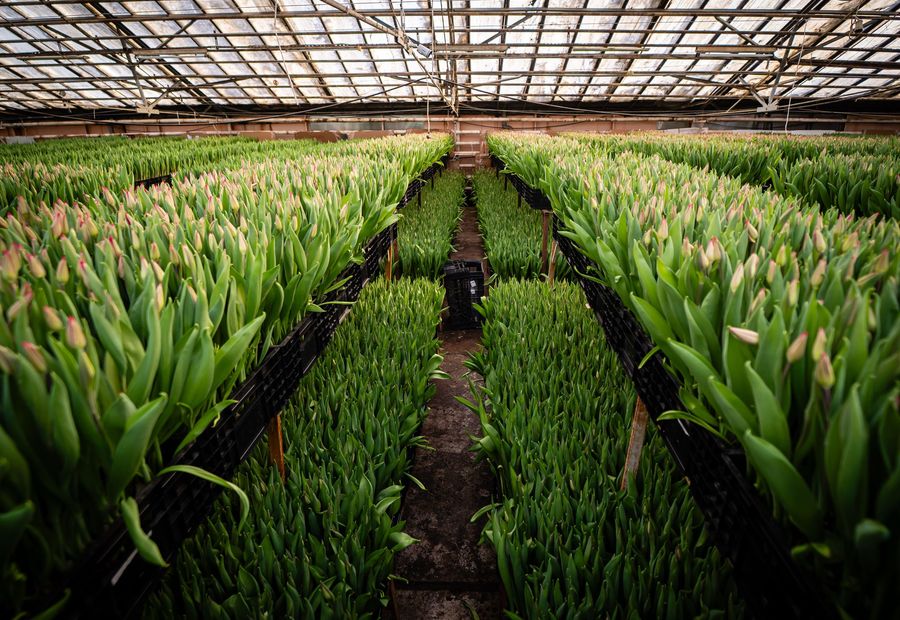
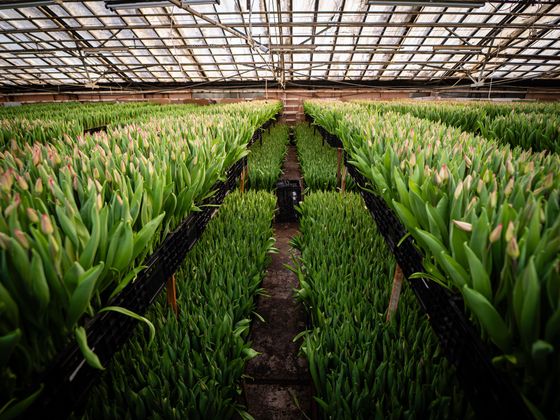
Coordinate flower batches to a target market date with crop stages, climate context, work, cutting, grade, and actual output.
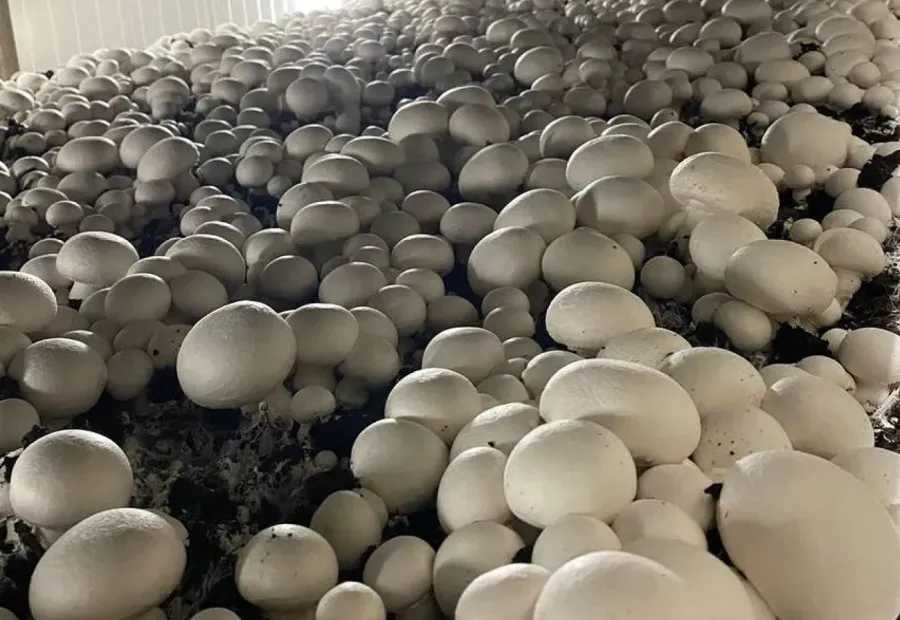
Connect grow rooms, compost or substrate lots, biological phases, climate context, shift work, flushes, yield, and quality.
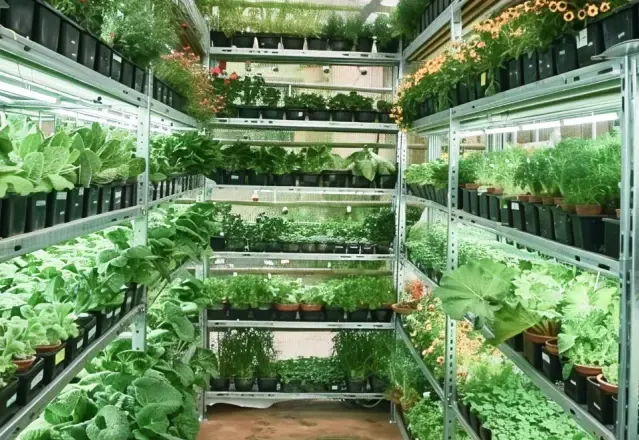
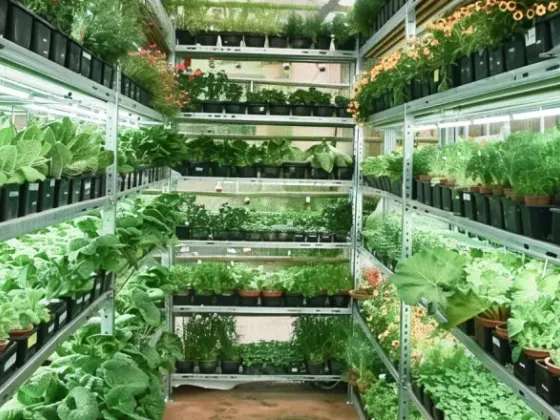
Manage rooms, lines, racks, tiers, crop batches, recipes, light, nutrient context, shift work, output, and quality.
Crop is only part of the answer
Strawberries in open field, tunnels, substrate gutters, and indoor racks share a crop name but not the same facility structure, climate context, work sequence, or useful metrics.
Fields, blocks, parcels, rows, seasonal work, crop observations, treatments, harvest, and multi-season history.
Crop stages connected to climate and irrigation context, recurring work, observations, quality, and output.
Rooms, lines, racks, tiers, batches, phase recipes, local automation, shift work, and repeatable turns.
Lot provenance, movement, actual counts, growing-on stages, grading, and readiness for transfer or sale.
The shared Gros.farm foundation
Every sector uses the same connected flow from the farm structure to the actual production result. What changes is the production context inside that flow.
Models the physical farm and connects current crops, lots, and cycles to each production area.
Keeps stages, target ranges, recipes, instructions, and checkpoints in an adaptable cultivation plan.
Turns the plan and one-off needs into dated, assigned tasks with production context.
Collects observations, manual values, connected data, production events, and completed work.
Compares plan and actuals across meaningful facilities, crops, varieties, lots, and cycles.
Works with the connected context to find gaps and formulate hypotheses for specialists to verify.
Connected production context
Start with manual records if needed. Add sensors, weather sources, integrations, or local automation only where they support a defined workflow and compatible engineering setup.
Take the product tour →
Where the platform is strongest
Gros.farm is centered on intensive crop production where stages, regular work, observations, and the growing environment materially affect daily management.
No big-bang implementation required
A greenhouse block, field plot, orchard block, grow room, line, or nursery area.
Record its variety, current stage, cultivation plan, and the next recurring work.
Keep actual observations and results, then decide what to scale or integrate next.
Choosing a sector solution
You do not need to choose one card. A berry site, greenhouse block, nursery, and vertical-farm line can remain separate production contours inside one organization, with shared people and management visibility.
The platform foundation is shared, but the operating units, stages, recurring work, observations, and useful metrics follow each sector. An orchard uses blocks and phenology; a mushroom farm uses rooms and biological phases; a vertical farm uses racks, tiers, batches, and stage recipes.
No. Start with the registry, cultivation plans, tasks, and manual observations. Add sensors or integrations when a specific workflow needs them and compatibility has been assessed.
No. Local systems remain responsible for physical operation, safety, and autonomous control. Gros.farm adds cultivation plans, production context, tasks, data history, analytics, and supported configuration exchange.
No. Cultivation-plan templates require professional adaptation. Gros.farm and GFAi organize context and support investigation; specialists remain responsible for agronomic and engineering decisions.
Do not see an exact match?
We will map the facilities, crops, cycles, people, and engineering boundaries first—then decide which Gros.farm workflow fits.