Variety, source, quantity, and place
Know which material is growing in each house, bench, bed, or row.
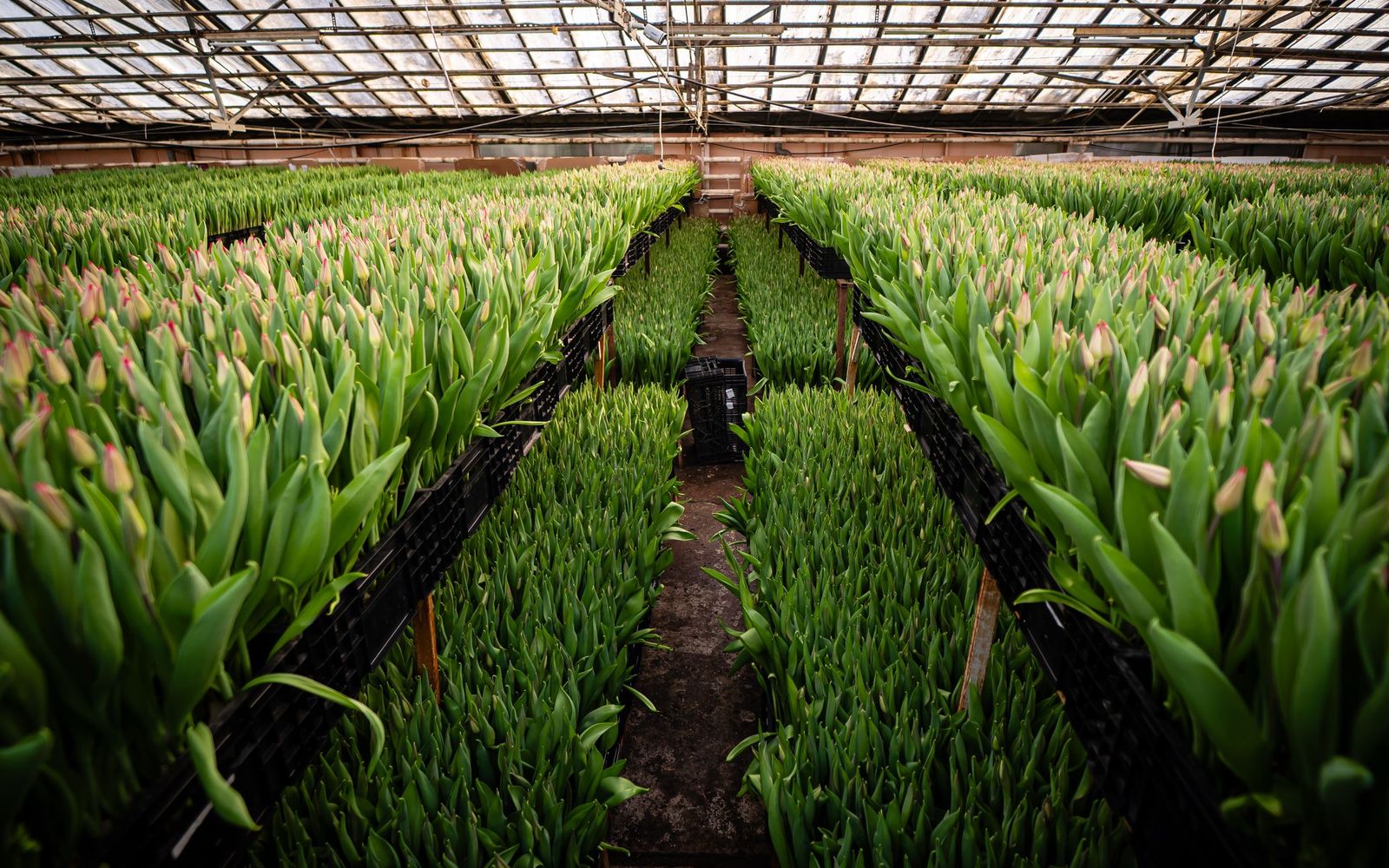
Gros.farm for commercial floriculture
Connect variety, source material, location, crop stage, planned readiness, daily work, observations, cutting, and quality. Gros.farm helps the team manage the production batch—not just the greenhouse room.
Variety and production batch
Target readiness date
Stage-based work and climate context
Cutting and quality
A batch with a deadline
For many flower crops, being early or late changes the commercial result. The production record must connect the target date with the crop stage, actual conditions, work, and readiness.
Know which material is growing in each house, bench, bed, or row.
Adapt the cultivation plan to the variety, facility, and market window.
Keep daily execution connected to the active production batch.
Review timing and quality before planning the next batch.
Farm registry
Keep facilities, production areas, active crops or lots, and growing cycles in one structure. The registry gives tasks, observations, metrics, and analytics a shared place and production context.
Explore the farm registry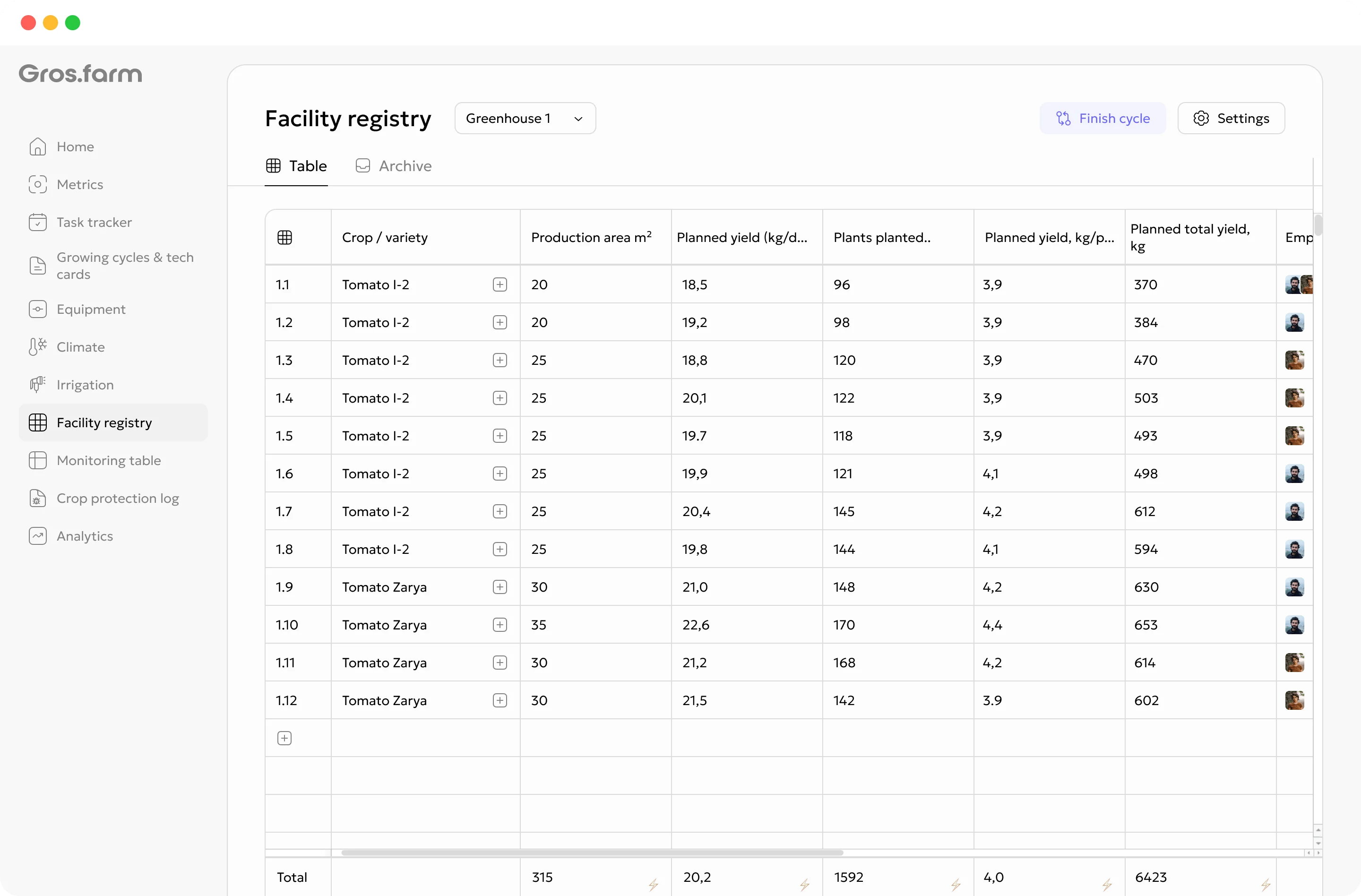
Production stages
Use stages that match the crop. A forced bulb crop, cut rose, potted plant, and young plant require different timing and operations.
Record variety, lot, location, quantity, and the planned production route.
Track rooting, uniformity, and early losses.
Coordinate climate context, nutrition, crop work, and observations.
Follow floral development and timing against the target window.
Record bud stage, quality, and the forecast cut date.
Capture actual date, quantity, quality, and batch conclusions.
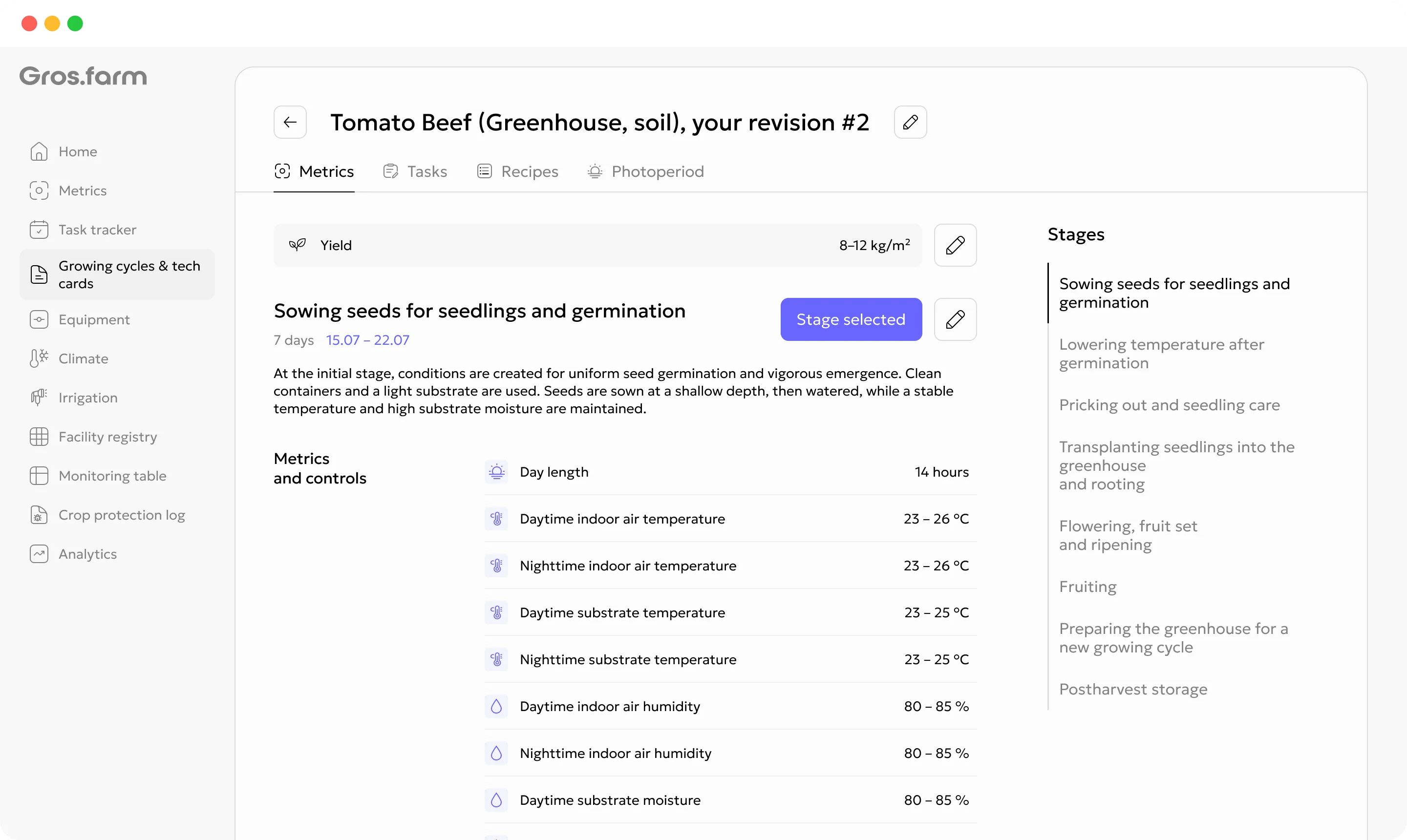
Cultivation plans
A cultivation plan can hold stages, target ranges, recurring work, recipes, photoperiod, and other production parameters. Templates are starting points, not universal recommendations: review every plan for the crop, facility, equipment, and production objective.
Explore digital crop plansWork by batch and row
Uniformity checks, training, pinching, spacing, crop protection, cutting, and grading should remain connected to the exact batch.
Record the stage, issue, photo, and affected location.
Keep date, priority, assignee, and batch context with the operation.
Keep the estimate visible without presenting it as a guarantee.
Separate total output, marketable grade, and rejected product.
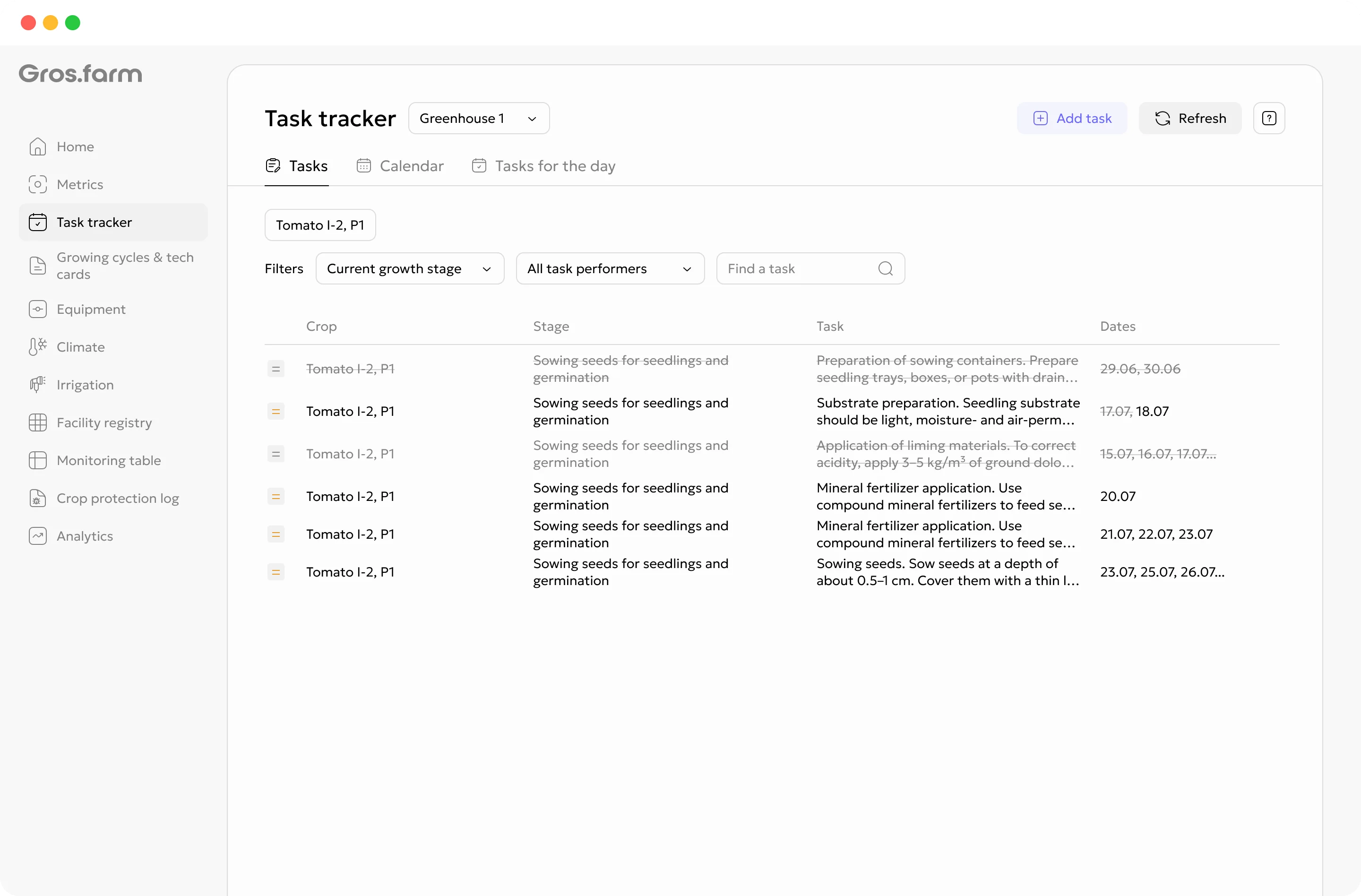
Tasks carry the facility, growing cycle, cultivation-plan stage, date, priority, instruction, and assignee—not just a title and deadline.
Explore tasks and team →Monitoring and crop observations
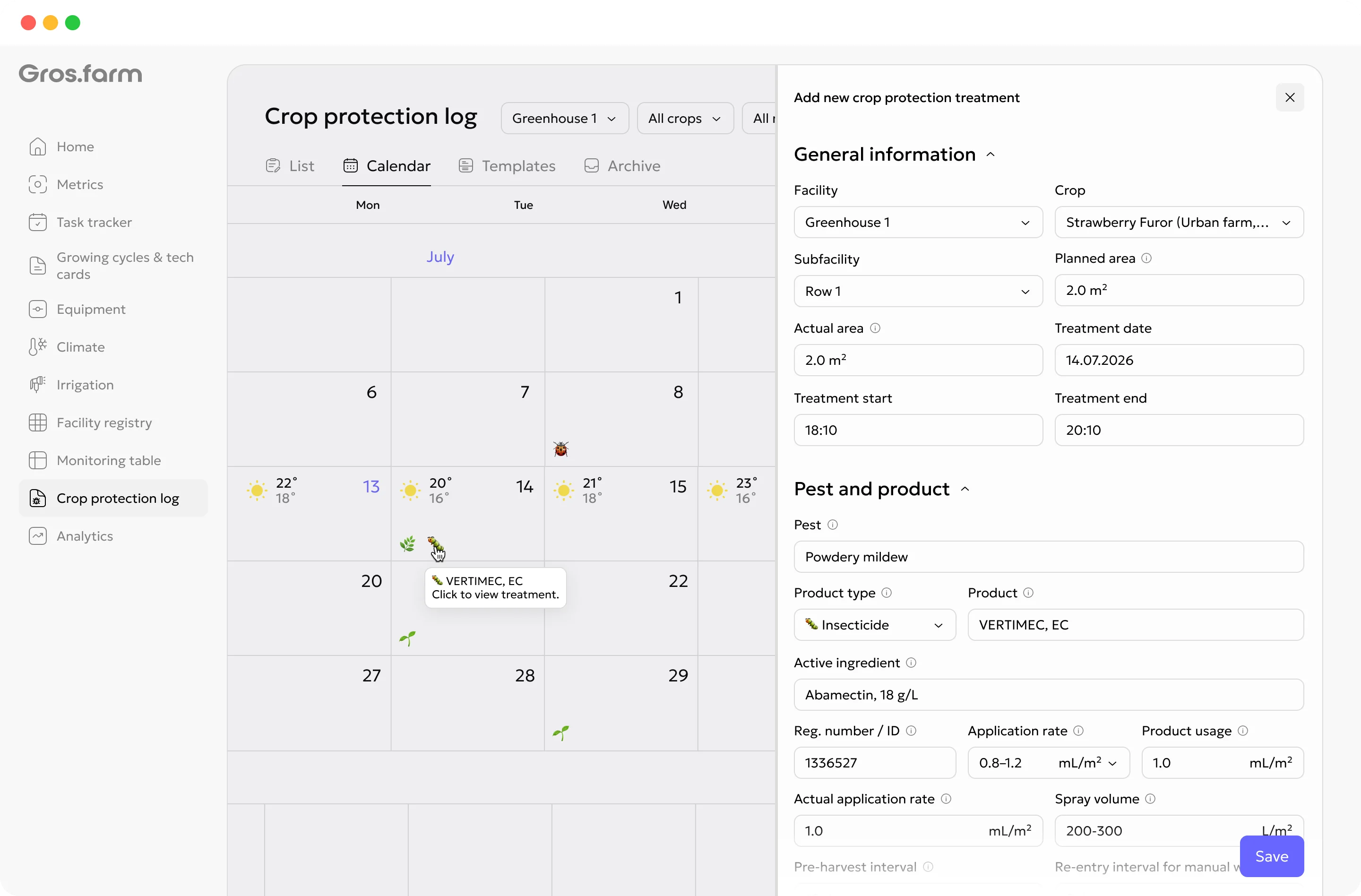
Add manual observations, key dates, photos, comments, and available automatic or calculated values to the active growing cycle. A shorter, consistently updated monitoring set is more useful than a large table the team cannot maintain.
Production analytics
Review the target and actual readiness date alongside stage progression, observations, work, and available environmental data.
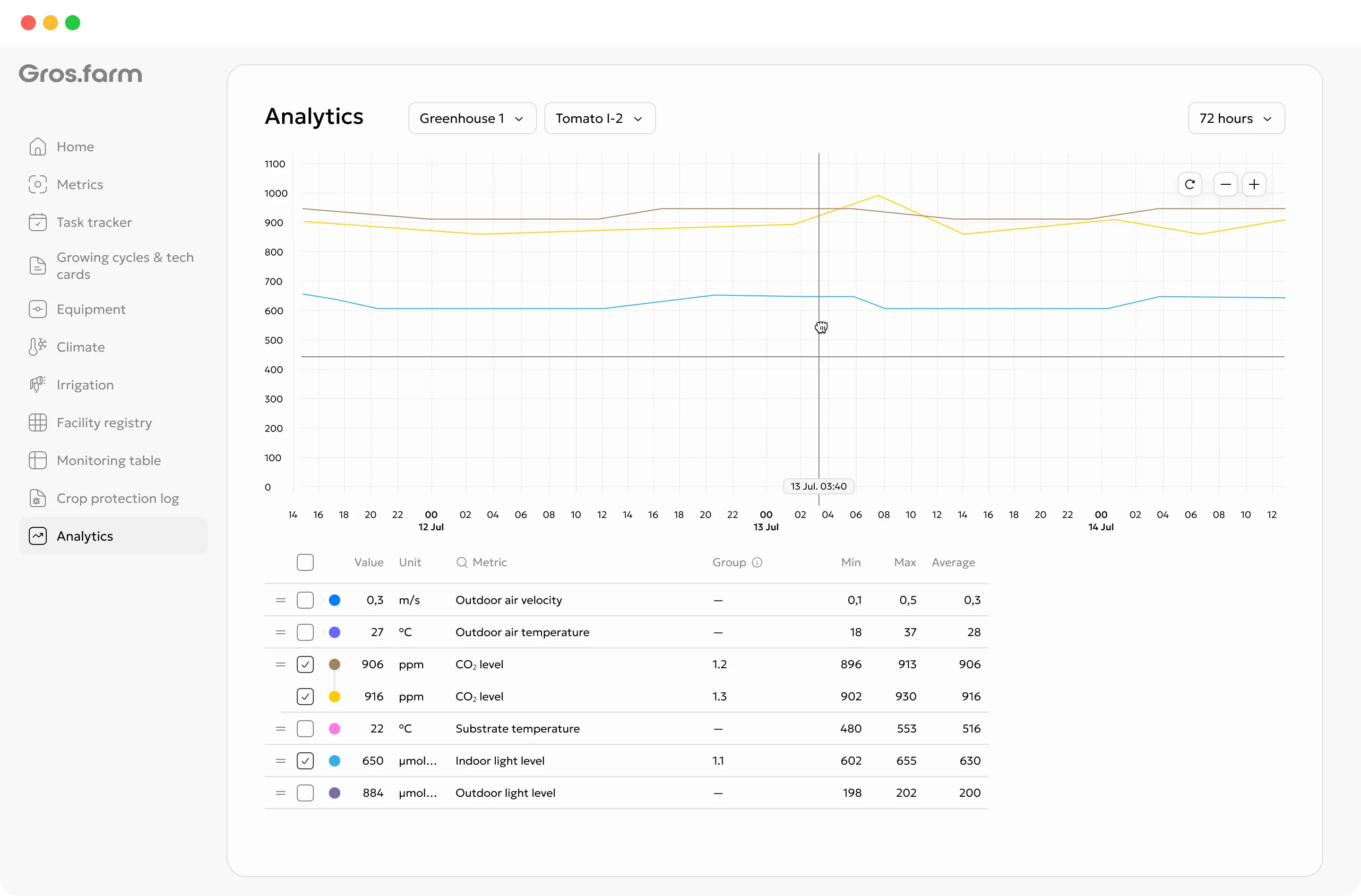
Compare batches of the same crop and production route.
Keep quantity definitions consistent for the product.
Use the farm’s own stable grading scheme.
Clear control boundary
Gros.farm does not replace PLCs, controllers, SCADA, or local safety scenarios. The local layer remains responsible for physical operation and safe autonomous control.
Pumps, valves, ventilation, lighting, dosing, interlocks, and emergency scenarios.
Stages, targets, schedules, tasks, data history, analytics, and supported configuration exchange.
Fit the production model
Configure the stages, tasks, and quality fields for the actual production route.
Bulb lot, rooting, forcing, readiness, cut date, and grade.
Training, pinching, crop development, repeated cutting, and quality.
Potting, spacing, movement, development, and sale readiness.
GFAi with farm context
GFAi can help compare connected batch histories and identify missing evidence. A specialist remains responsible for changes to climate, crop work, or the cultivation plan.
It does not replace the grower, agronomist, technologist, or controls engineer responsible for the decision.
Questions to investigate
Start with one working production contour
You do not need to digitize every site, crop, and integration at once. Start with one active cycle that the team can keep current.
Use a greenhouse, house, bench, bed, or row structure.
Record variety, quantity, location, stage, and target readiness date.
Assign the next work and record actual timing, output, and quality.
Related production systems
 Protected cultivation
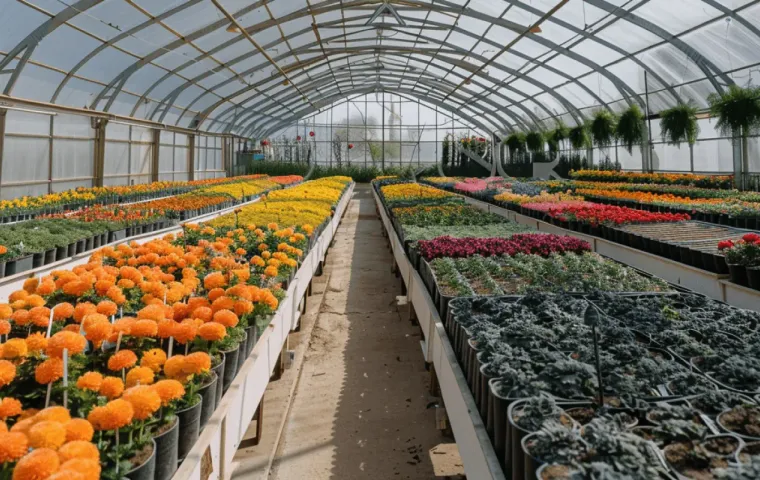
Connect crop stages, climate targets, irrigation, crop work, observations, and harvest results by greenhouse block.
 Propagation and planting material
Track plant lots, provenance, locations, transplants, recurring care, grading, losses, and readiness for sale or transfer.
 Field, tunnel, greenhouse, or indoor
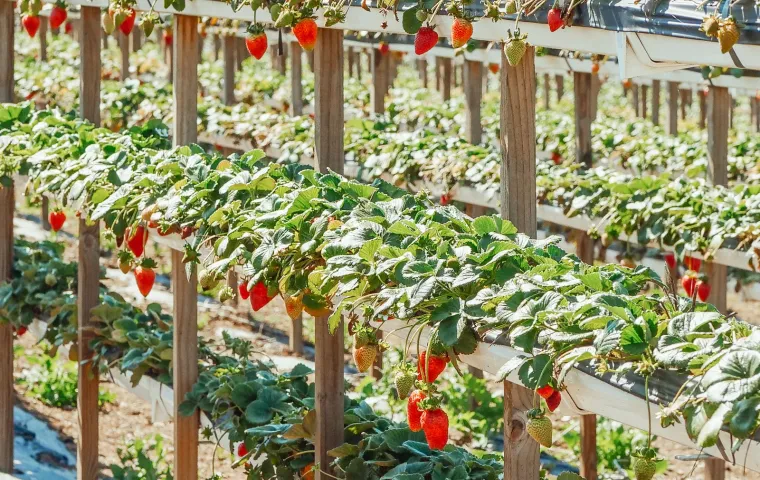
Manage berry varieties, crop cycles, harvest waves, quality, tasks, and observations across different production formats.
 Controlled-environment production
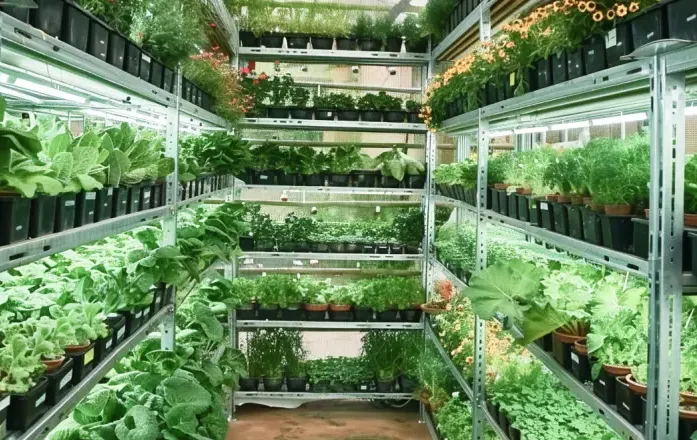
Manage rooms, lines, racks, tiers, crop batches, recipes, light, nutrient context, shift work, output, and quality.
Questions before setup
The cultivation plan can hold stages, target timing, and recurring work, while the team records actual development. The system supports planning and comparison but does not guarantee a market-ready date.
Yes. Plans should be adapted to the crop, variety, source material, facility, and commercial objective rather than copied without review.
Yes. Actual dates, quantities, and quality categories can remain connected to the active production batch and cycle.
No. Local systems remain responsible for physical control and safety. Gros.farm provides production context, target ranges, work, data history, and analytics.
Cut flowers and ornamentals
Coordinate flower batches to a target market date with crop stages, climate context, work, cutting, grade, and actual output.