
Open field
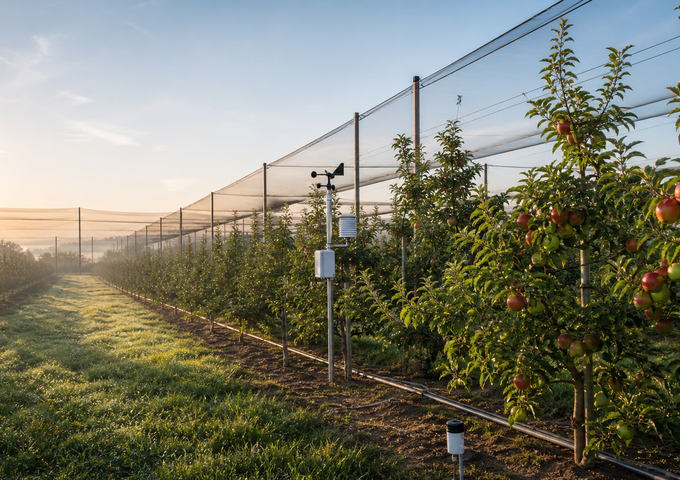
Fields, plots, blocks, and rows. Location, seasonality, observations, and work history are central.
Gros.farm solutions by sector
Choose your production type and connect assets, crops, methods, teams, automation, and data in one working context.
Choose your production
Each sector has its own assets, cycle, and working language. This is not a generic feature list, but a workflow for your production.
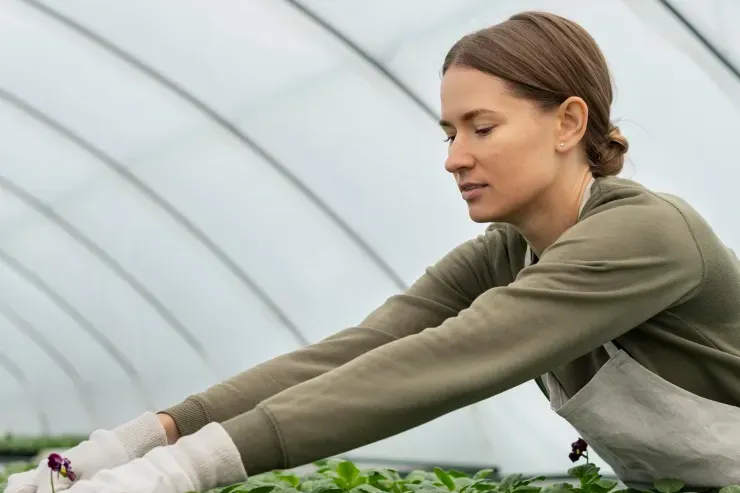
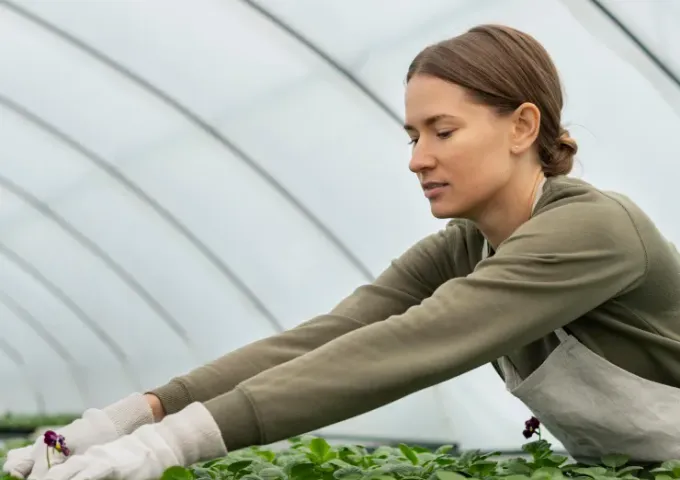
Crop, climate, irrigation, biology, and team activity in the context of each stage and crop-cycle result.
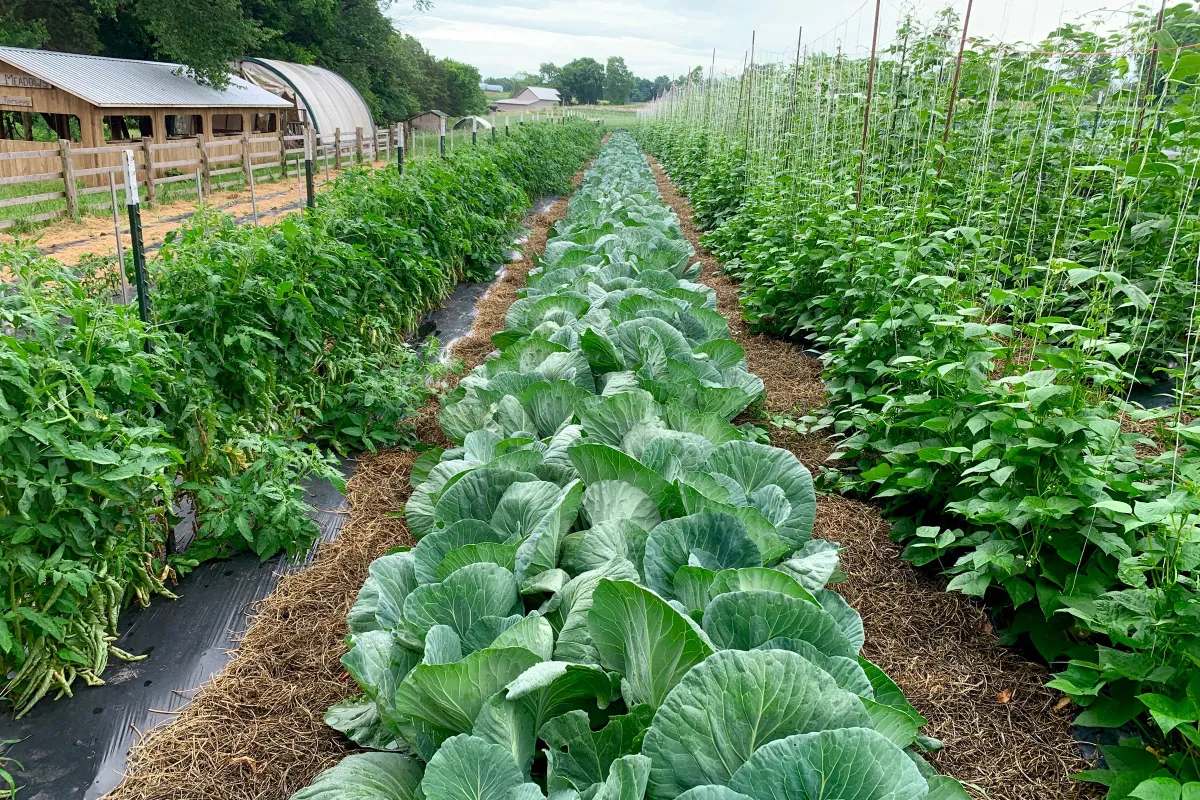
Plots, crops, field work, crop protection, irrigation, and harvest linked to place, time, and assignee.
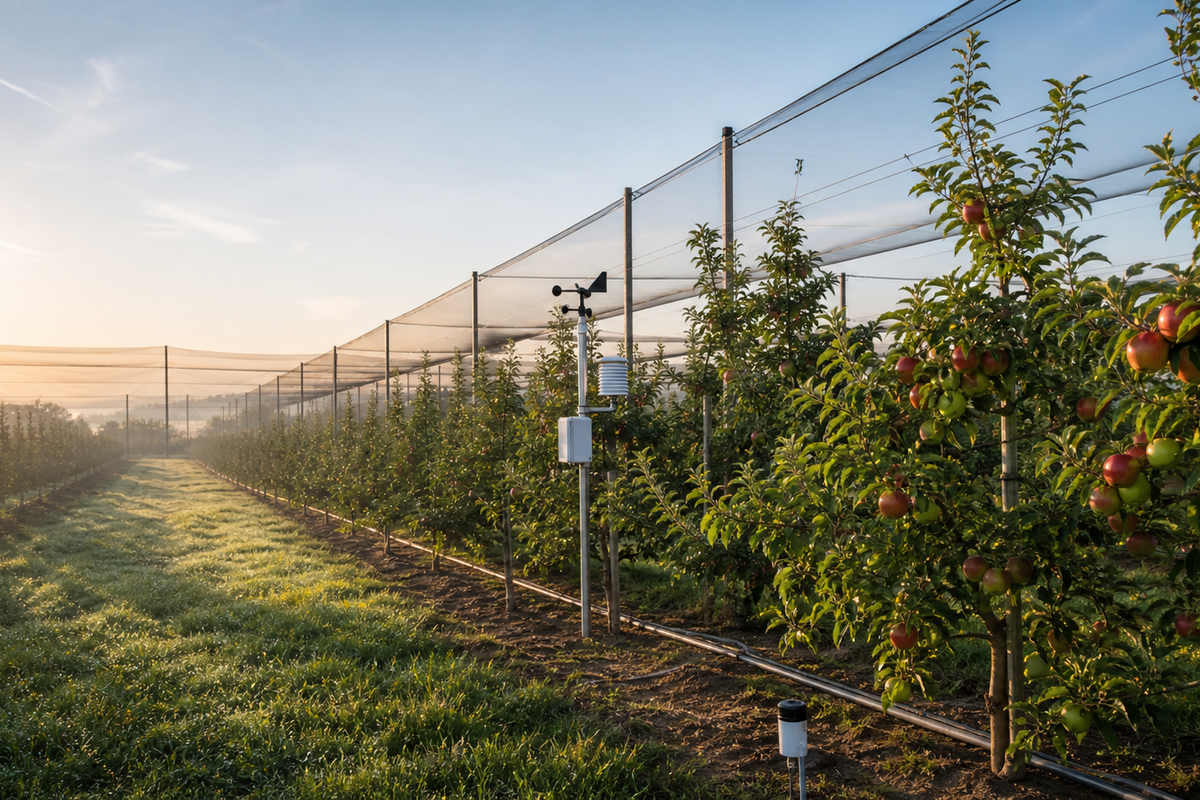
Blocks and rows, varieties, phenology, treatments, inspections, and yields for perennial crops.
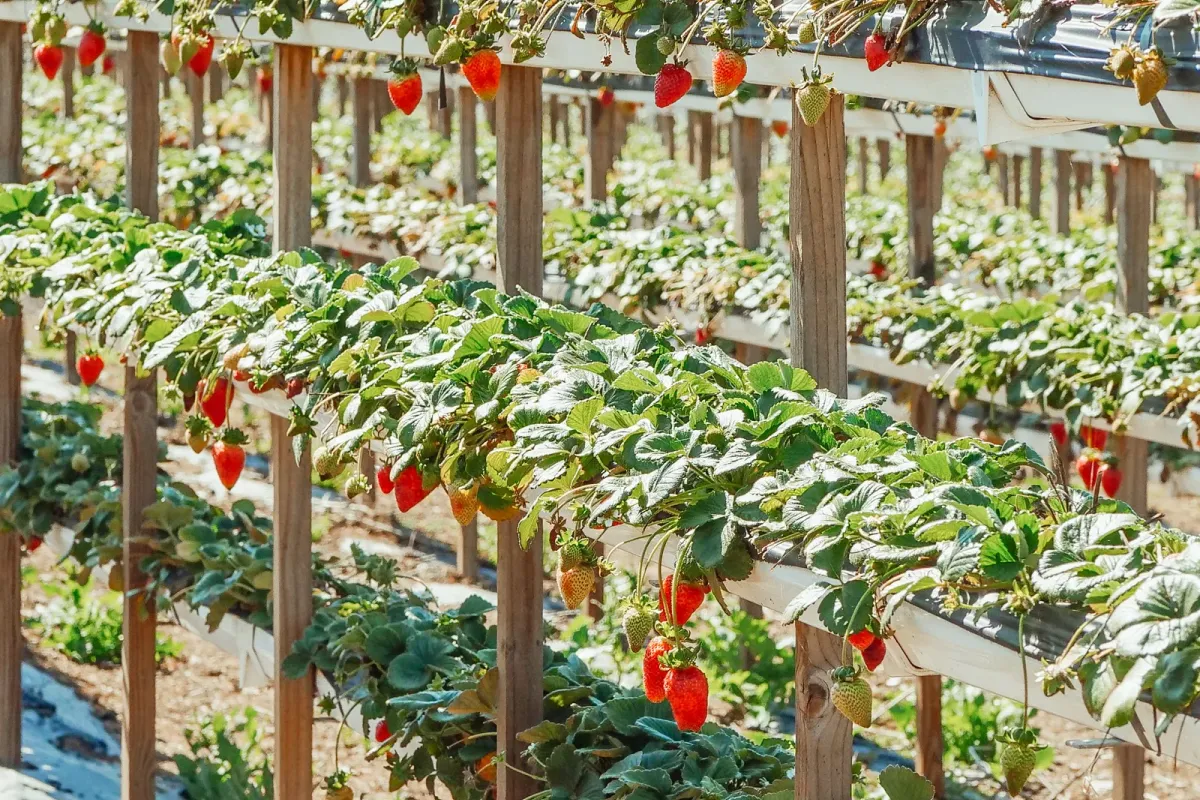
Berries in fields, tunnels, greenhouses, or on racks, with one system adapted to each growing format.
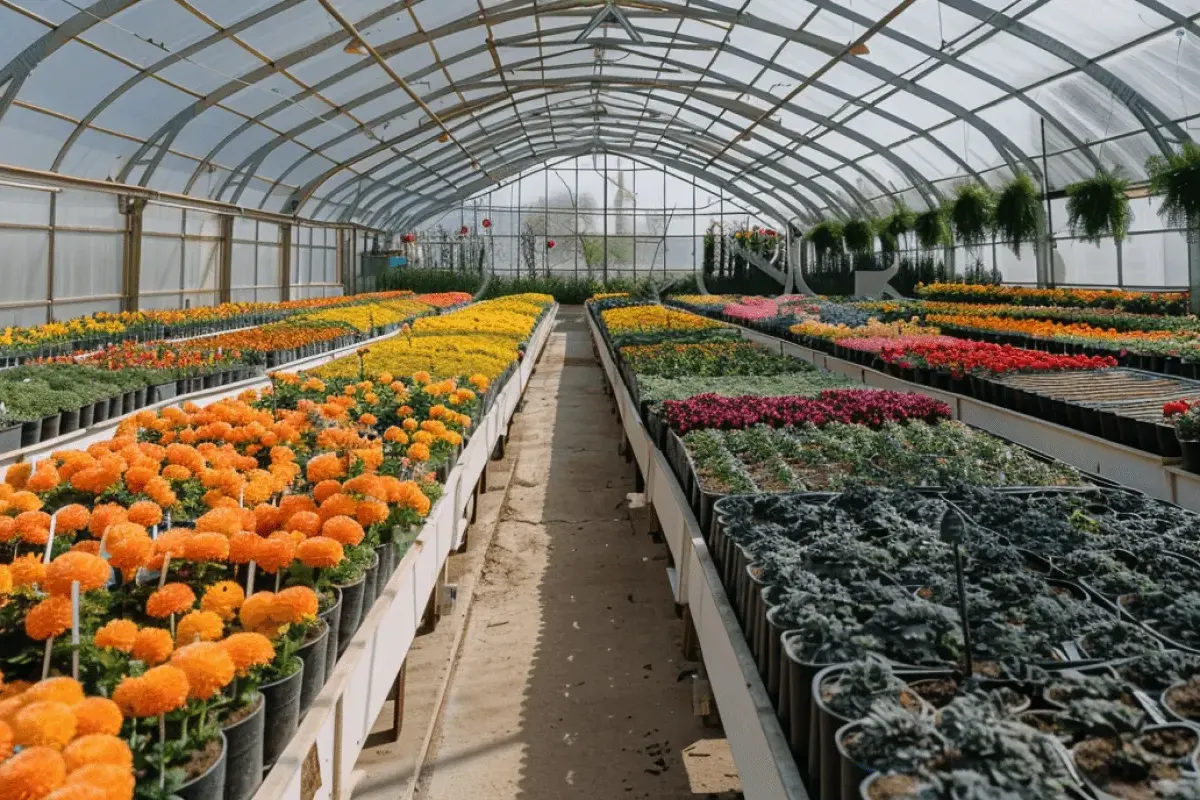
Origin, location, age, and actual plant quantity at every stage of a batch.
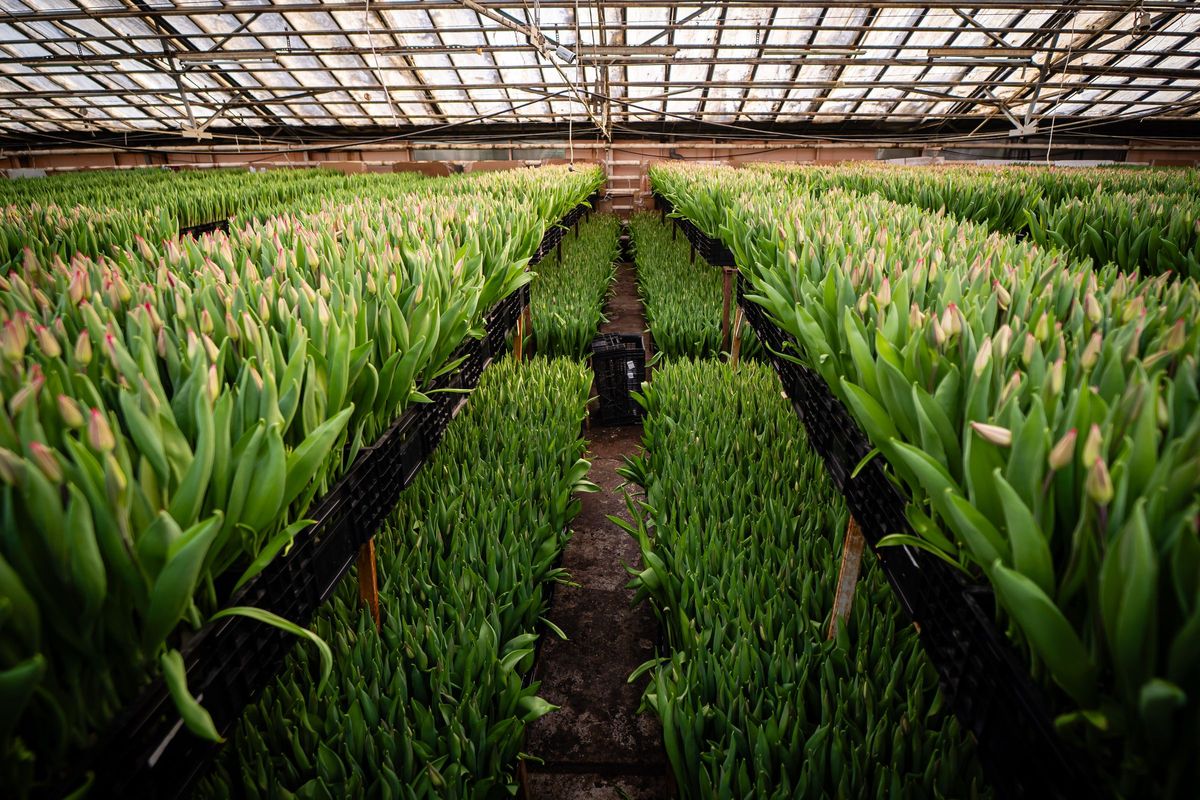
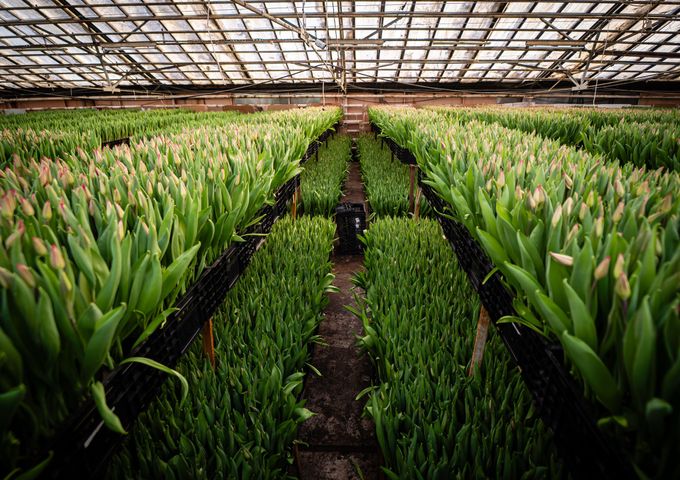
Cycles scheduled for sale dates, climate, work, and marketable-batch quality in one workflow.
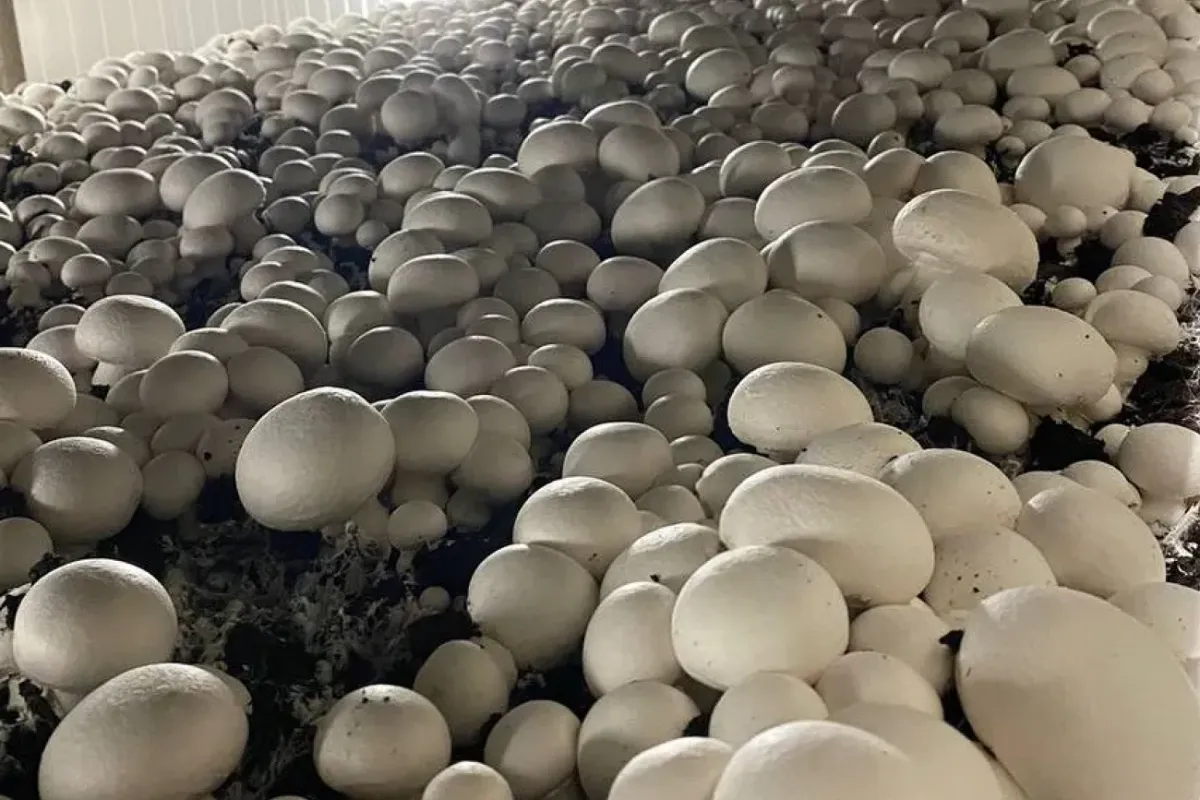
Rooms, batches, phases, microclimate, flushes, and equipment in one connected workflow.
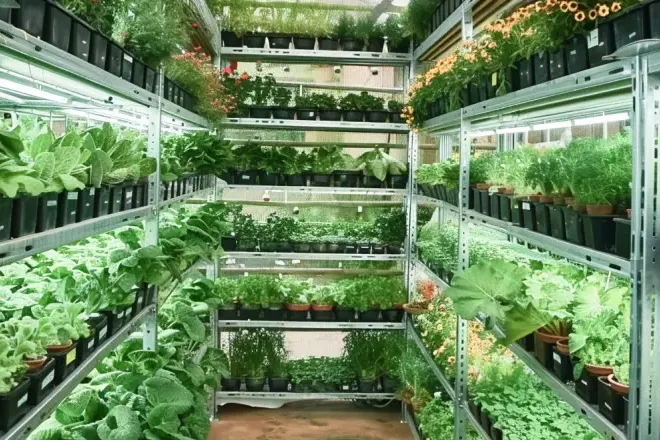
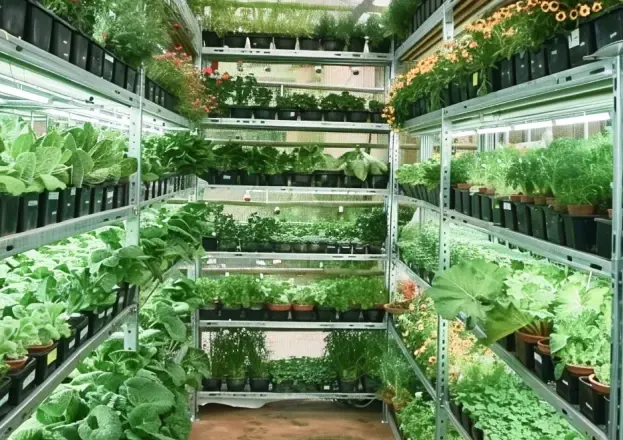
Levels, batches, recipes, light, and nutrient solution for repeatable growing cycles.
One crop, different conditions
Strawberries can grow in a field, tunnel, or multi-level farm. The format determines the asset structure, metrics, automation, and daily tasks.
Fields, plots, blocks, and rows. Location, seasonality, observations, and work history are central.
Growing methods connect with climate, irrigation, biology, shift work, and automation.
Rooms, halls, and batches follow their own rhythm; a regime only makes sense in the current phase.
Batch origin, movements, establishment, grading, and actual output.
The shared Gros.farm foundation
Setpoints matter in a greenhouse, phenology and treatments in an orchard, and batch origin in a nursery. The management foundation remains the same.
Mirrors the farm structure and stores records for assets, crops, and batches.
Defines stages, targets, recipes, instructions, and control points.
Turns the method into tasks with deadlines, locations, assignees, and results.
Collects observations, metrics, automation events, treatments, and completed work.
Compares plan and actuals across assets, crops, varieties, batches, and production cycles.
Works with farm context, finds gaps, and helps test hypotheses.
Where the platform is especially useful
Gros.farm is especially useful where results depend on the growth stage, regular observations, the team, microclimate, irrigation, or a repeatable method.
Gros.farm is not a specialist system for bulk grain production, accounting, or field maps without a crop-production method.
You do not need to digitise everything at once
A greenhouse block, plot, orchard block, room, hall, or production site.
Record the variety or hybrid, stage, crop plan, and recurring work.
Collect actual observations and the result; then it will be clear what to connect and scale.
Questions about choosing a solution
Mixed production is normal. Gros.farm adapts to real sites and processes, not a formal sector label.
You do not need to choose one card. A single organisation can manage a berry site, greenhouse block, and nursery as separate production workflows. They share a team and analytics while retaining their own structures and methods.
The platform is the same, but record units, metrics, and daily workflows differ. Orchards use blocks and phenology, mushroom farms use rooms and phases, while vertical farms use levels, light, and nutrient solution.
Yes, when there is a repeatable method and the team wants work and data in one place. Start with one asset without sensors or complex integrations, then expand as practical needs become clear.
No. A registry, crop plans, tasks, and manual observations are enough to begin. Connect sensors and equipment when their value and an available integration are clear.
That is not Gros.farm’s primary focus. The platform is designed for intensive crop production where stages, recurring operations, observations, and growing conditions matter.
Could not find an exact match?
We’ll review your crops, assets, methods, team, and equipment, then propose a first workflow without a heavy implementation.